
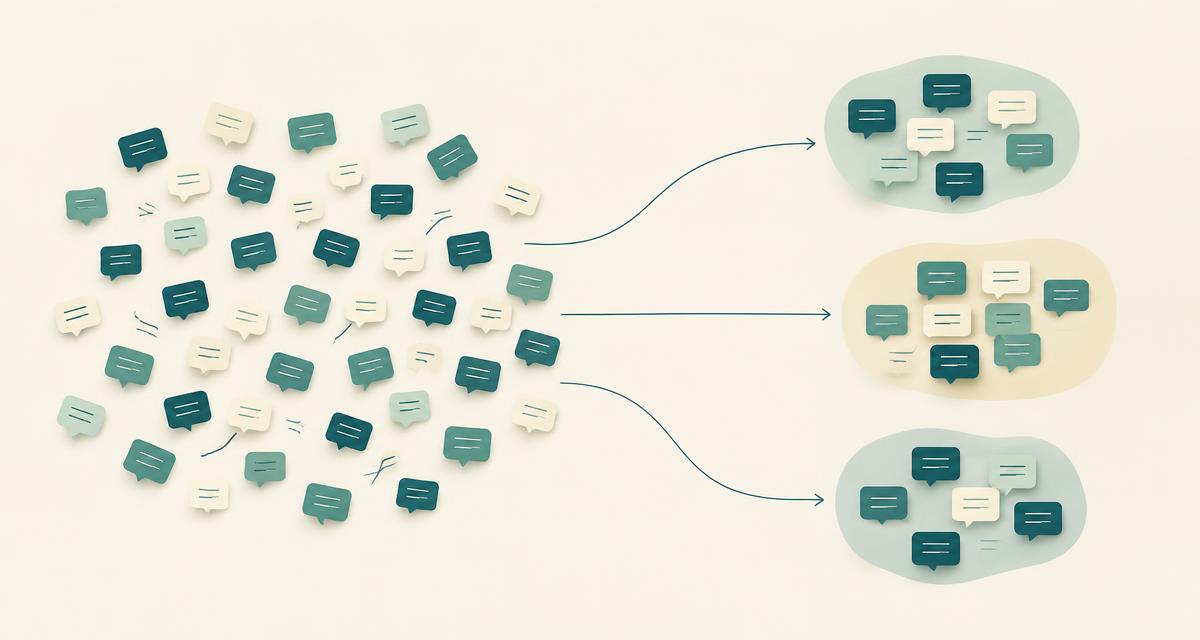
What AI is actually good at here
- Grouping. "Can't submit on my phone" and "button does nothing on iPhone" are the same theme, even with no shared words.
- Labelling. Separating complaints about price from reports that something doesn't work.
- Trends. Noticing that a theme is growing this week compared with last.
- Summarising, in your language, regardless of the language visitors wrote in.
What it can't do
AI only knows what visitors wrote. It can't confirm a bug exists, and a theme with three answers may be three people having a bad day. Treat a flagged issue as "worth checking", then check it yourself. Be wary of any tool that states "your form is broken" without showing why it thinks so.
Why evidence links matter
Every theme and every suggested action should open the exact answers it was based on. That lets you judge the strength of a finding in seconds, spot misreadings, and quote real visitors to your team. Without that link, a summary is just an opinion.
See the Insights example on the homepagePrivacy before analysis
- Strip personal details first. Emails, phone numbers and similar should be removed before any answer reaches a model.
- Make it opt-in. Someone responsible for the data should switch it on deliberately.
- Never use answers for anything else, such as training models.
AI Site Health in The Little Ask
AI Site Health is in beta, off by default, and switched on per workspace by its owner. It removes personal details from each answer, labels it once, groups answers into themes with a status such as possible technical issue, and suggests a next step. Each finding links to the responses behind it. Answers are never auto-translated or used to train models, and the AI never verifies a defect on its own.